Every week in Jandakot somebody faces a situation where fundamental first aid expertise would change an outcome. Whether that is a workplace occurrence near the airport terminal, a yard burn, or a kid who has actually diminished a bike, the time between injury and specialist healthcare often determines recuperation and family anxiety. People register for a first aid course Jandakot for numerous factors: to meet workplace conformity, to prepare for a showing off club lineup, or just to feel furnished when something goes wrong. Yet along with the practical training rest consistent misconceptions that threaten confidence and delay proper activity. This post separates reality from fiction and uses functional guidance for any individual taking into consideration first aid training in Jandakot or refreshing their CPR skills.
Why the myths matter
Misconceptions about bleeding control, CPR, and when to call emergency solutions lead to doubt. Reluctance equates into shed mins and in some cases avoidable issues. Courses such as a first aid and CPR jandakot program educate hands-on strategies, however they also remedy fallacies. My objective right here is not to replace training, however to clarify what is secure, reliable, and legitimately sensible. If you live or operate in Jandakot and are choosing in between providers like First Aid Pro Jandakot or a community-provider course, recognizing the realities will help you choose the appropriate training and feel confident applying it.
A note on course kinds and certificates
First aid course Jandakot offerings vary from standard four-hour certificates to comprehensive one- or two-day accredited courses that include CPR, automated outside defibrillator use, and management of anaphylaxis. Several companies need an across the country identified first aid certificate Jandakot that abides by local work environment standards. There are likewise CPR refresher course Jandakot choices for those whose certification is nearing expiration; skills discolors rapidly without practice, especially for upper body compressions and AED usage. When comparing first aid training Jandakot companies, examine whether the certificate is country wide recognised, whether useful abilities are examined, and just how much hands-on time you will certainly get with manikins and AED trainers.
Myth 1: You should wait for an ambulance prior to relocating a hurt person
This https://dmcseoknns.gumroad.com/ is just one of the most unsafe misconceptions in day-to-day occurrences. People often think movement equates to making points even worse, so they postpone any kind of moving. Fact is much more nuanced. If an injured individual is in immediate risk from traffic, fire, or collapse, relocating them carefully to safety is proper. In a similar way, if continued placing compromises taking a breath or blood circulation, a change is essential. On the other hand, if a person has suspected back injury and is secure where they are, very little motion is typically best up until paramedics arrive. Training in a Jandakot first aid course will instruct safe strategies for relocating someone when needed, and how to choose when to immobilise and when to reposition for respiratory tract management.
Myth 2: If you are not sure whether to call three-way zero phone call later or after a while
The correct method is to call 000 promptly when there is any kind of doubt regarding lethal problems. Signs consist of serious bleeding, unfamiliarity or altered level of consciousness, problem breathing, chest pain, presumed stroke, or extreme allergies. Emergency dispatchers can guide by phone and keep you acting up until paramedics show up. Postponing the call since you wish the scenario will certainly enhance can cost useful time. First aid and CPR courses in Jandakot emphasise early activation of emergency situation solutions as an essential step in the chain of survival.
Myth 3: CPR is only for grownups and just if the individual has actually stopped breathing
CPR and fundamental resuscitation techniques vary by age, yet breast compressions and rescue breaths can be lifesaving for babies, children, and adults. For victims who are unresponsive and not breathing typically, CPR needs to begin promptly. For youngsters, rescuers utilize gentler compression deepness and different hand positioning. Lots of people assume that "not breathing" have to indicate full cessation of any kind of breath, yet agonal gasps or irregular breathing patterns are ineffective breathing. Recognising inadequate breathing and beginning CPR sooner boosts end results. Regional CPR course Jandakot sessions often include kid and baby modules since those situations prevail and call for adjusted technique.
Myth 4: You require pricey devices to regulate extreme bleeding
Severe blood loss can commonly be handled successfully with techniques instructed in standard courses. Direct stress with a tidy clothing, elevation of the limb when proper, and pressure bandaging can manage most bleeding. Training covers when to use a tourniquet and exactly how to do so safely. While a correct commercial tourniquet is ideal, improvised ones can be lifesaving in severe situations if used appropriately. The trick is rapid action. First aid training in Jandakot will provide you useful method to ensure that regulating bleeding comes to be a confident response as opposed Take a look at the site here to a guess.
Myth 5: Just medically skilled individuals should make use of an AED
Automated external defibrillators are designed for layperson usage and consist of voice triggers and security features that lower the risk of damage. Spectators trained in CPR and AED make use of considerably increase the possibility of survival in unexpected cardiac arrest. Public accessibility AEDs are increasingly existing in work environments, going shopping centres, and showing off facilities around Jandakot. A first aid and CPR course Jandakot will certainly include monitored AED method so participants leave comfortable turning one on and following its instructions.
How training remedies these myths
Good courses replace uncertainty with muscular tissue memory. Practical rep in a regulated setting strengthens the appropriate series: evaluate scene security, check responsiveness, phone call emergency services, open respiratory tract, check breathing, begin CPR or control bleeding as needed, and use an AED when indicated. A quality Jandakot first aid course ensures you exercise compressions to the recommended deepness and price, apply dressings that remain protected, and coordinate with others in multi-rescuer scenarios. Fitness instructors with genuine emergency reaction experience mention situational subtleties that a book alone can not share, such as dealing with spectator panic or making quick decisions when expert help is delayed.
Choosing the appropriate provider in Jandakot

Not all first aid courses are equal. Some suppliers concentrate on brief, affordable sessions that tick a box for work environment induction without sufficient hands-on abilities. Others, consisting of reputed neighborhood trainers, equilibrium concept with practical situation method and continuous analysis. When choosing a first aid course in Jandakot, think about these functional standards: course size relative to advertised material, class size for practical time, whether skills are evaluated on manikins and AED instructors, and whether the certificate is nationally recognised if that issues for task conformity. Ask about follow-up alternatives, such as a CPR correspondence course Jandakot, due to the fact that retention decreases without regular practice.
What a realistic course schedule looks like
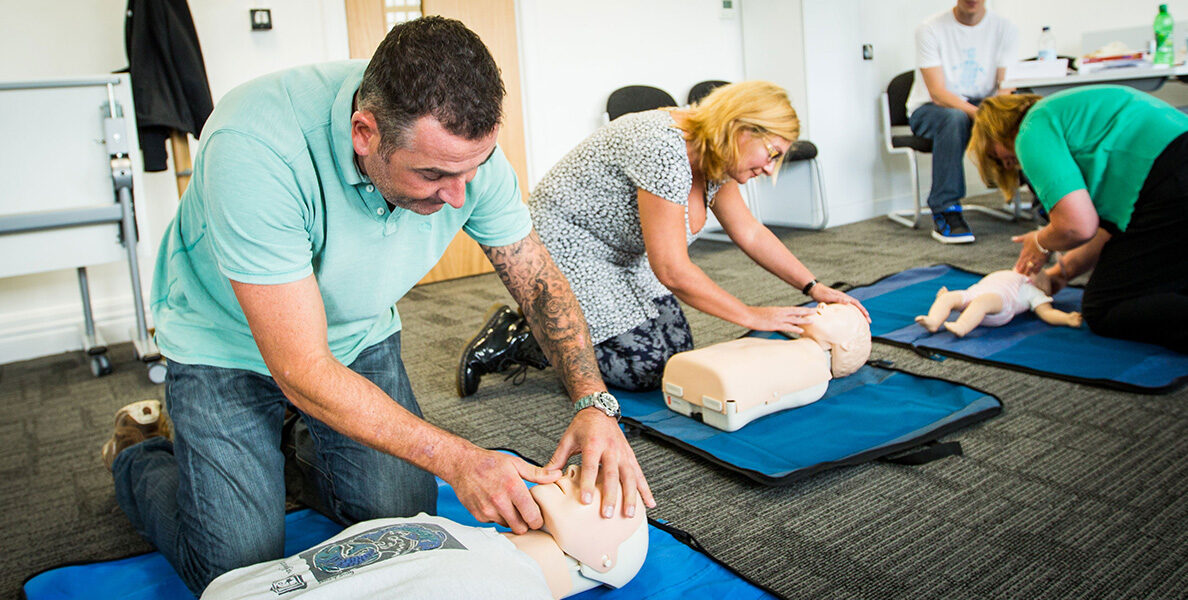
A thorough one-day first aid and CPR course Jandakot normally starts with a review of legal and safety commitments, complied with by intros to respiratory tract management, CPR on adults and kids, use of an AED, and management of bleeding, shock, burns, fractures, and choking. Practical skills alternative with short scenario drills where individuals rotate duties and method choice making under light tension. Extended recognized courses consist of formal analysis parts that fulfill regulatory standards for workplace demands. Shorter half-day sessions can cover CPR and basic life support and serve for clubs and little teams who require targeted abilities as opposed to a full first aid certificate Jandakot.
What to bring and how to get ready for a course
Arrive ready to exercise. Comfortable garments that allows you to kneel and move makes hands-on sessions easier. Bring picture ID if the company requires it for qualification. Lots of courses already provide manikins and tools, but if you have a previous certificate bring it along so trainers can tailor the session to your needs.
Checklist for attendees
- comfortable apparel suitable for stooping and moving photo identification for qualification if required previous first aid certificate if you are restoring or refreshing a note pad or device for personal notes concerning methods and local resources willingness to exercise skills with other participants
These easy preparations guarantee you get one of the most from course time and leave with usable skills instead of shallow knowledge.
Handling edge cases and trade-offs
First aid frequently calls for judgment calls instead of rigorous guidelines. For instance, with a presumed broken leg: splinting is necessary, yet relocating the person might boost pain or create more injury if done roughly. In remote settings around Jandakot where rescue reaction may take longer, improvised splints and cautious monitoring become more crucial. For extreme allergies, epinephrine autoinjectors offer rapid signs and symptom control, yet training covers when to administer and the requirement to still call emergency solutions. Throughout a CPR event, spectator exhaustion is genuine; exchanging compressors every two minutes maintains compression quality. Excellent training reviews these compromises and practices multi-rescuer control so changes are smooth.
Real-world instances from local practice
A tiny production center near Jandakot Airport once had an occurrence where an employee endured a deep laceration to the forearm. A coworker that had actually completed an office first aid course used a stress clothing, boosted the arm or leg, and kept straight stress while one more employee called triple no. The target required stitches, however the bleeding was managed and the person continued to be aware and oriented. Another instance included a child at a neighborhood sports club who broke down after an autumn. Quick acknowledgment of altered breathing and prompt CPR by a qualified moms and dad, along with an AED from the clubhouse, contributed to a positive result. These events show how training in Jandakot contexts translates to effective instant response.
Updating abilities and taking care of confidence fade
Skills like upper body compressions and applying dressings degeneration if not practised. A lot of registration bodies advise CPR refresher courses every 12 months and a full first aid certificate renewal every three years for workplace compliance. For people who utilize these skills less frequently, regular short refreshers make the distinction in between hesitating and acting decisively. Numerous training carriers in Jandakot supply CPR correspondence course Jandakot sessions that focus on sensible compression technique, AED familiarisation, and short analyses to bring back confidence.
Legal and office considerations
In Australia, Good Samaritan legislations shield bystanders who supply sensible help in an emergency situation. Still, workplaces have specific tasks under work health and wellness regulation to offer adequate first aid resources and training. Employers in Jandakot need to make certain team protection, obtainable first aid kits, and an authorized first aid certificate Jandakot for designated first aid officers. Courses that consist of first aid and CPR jandakot components aid organisations satisfy these responsibilities and minimize responsibility by demonstrating proactive treatment training.
How to exercise outside an official course
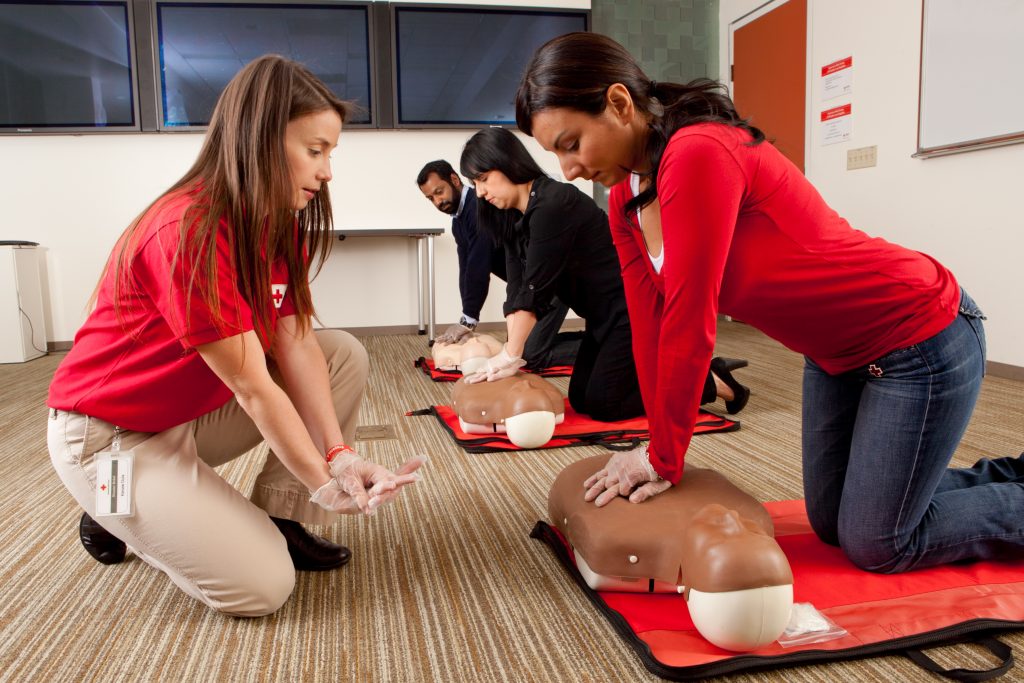
You can enhance skills securely outside a formal class. Manikin practice offered by recreation center, workplace drills, and monitored AED familiarisation days all help. Some service providers run brief practical evenings where participants rotate with bleeding control, choking response, and compression technique. Video sources from reliable health organisations can supplement hands-on technique, yet they are not substitutes for instructor feedback on compression depth and hand placement.
Misconception checklist: four usual misconceptions corrected
- Myth: Mouth-to-mouth is always called for. Fact: Hands-only CPR works for adult sudden heart attack and is preferable for inexperienced spectators; rescue breaths remain important for kids and some non-cardiac root causes of arrest. Myth: If somebody is breathing they do not need aid. Reality: Unusual or insufficient breathing can require immediate intervention and tracking; respiratory system distress can wear away quickly. Myth: Only specialists must touch someone with chest pain. Fact: Immediate bystander assessment, calling emergency situation solutions, and offering aspirin when recommended by send off or procedure can be lifesaving. Myth: A tourniquet will certainly cause limb loss. Fact: Effectively applied tourniquets in serious hemorrhage conserve lives, and arm or leg loss from a tourniquet is rare compared with death from unchecked bleeding.
Finding regional courses and next steps
Search for "first aid course Jandakot" or "CPR course Jandakot" and try to find service providers that list national acknowledgment, useful evaluation, and teacher credentials. Contrast course dimensions, equipment, and circumstance practice. If you need workplace compliance, confirm the certificate satisfies your company or regulatory authority requirements. For families or neighborhood teams, ask if the course consists of kid and infant modules. Lastly, plan for follow-up method. Register for a CPR refresher course Jandakot every year, and schedule hands-on session for teams who might rely on these skills.
Confidence under pressure
The most constant outcome from well-run training is reduced doubt. Individuals who have actually rehearsed skills under moderate tension, got rehabilitative feedback, and practiced changes are even more most likely to act decisively. A first aid training Jandakot session is not concerning memorizing methods; it is about internalising concerns to make sure that when an incident happens you relocate straight right into reliable activity. That self-confidence is what separates guesswork from lifesaving care.
If you live or operate in Jandakot and have actually not yet taken an acknowledged first aid and CPR course, sign up in a session that stabilizes concept with practical practice. Select a provider that emphasises hands-on knowing, supplies periodic refresher courses, and prepares individuals to manage the untidy facts of emergency situations. With clear facts changing usual misconceptions, you will prepare to aid when it matters most.